
Economic growth, education, and inequality are deeply interconnected. Economists increasingly highlight the inequality–education–growth nexus, which explains how income inequality affects access to education, and in turn, education outcomes influence long-term economic growth.
This topic is crucial for UPSC GS-1 (Society), GS-3 (Economy & Human Capital), and Essay papers.
What is the Inequality–Education–Growth Nexus?
The nexus refers to the circular relationship among:
-
Economic inequality
-
Access to quality education
-
Sustainable economic growth
High inequality limits educational opportunities for poorer sections, leading to low skill formation, which ultimately slows economic growth.
Conversely, inclusive education can reduce inequality and promote broad-based growth.
How Inequality Affects Education

1️⃣ Unequal Access to Quality Education
-
Poor households struggle to afford private schooling or coaching
-
Government schools often lack adequate infrastructure
2️⃣ Intergenerational Transmission of Poverty
-
Low parental education → low educational attainment of children
-
Creates a poverty trap
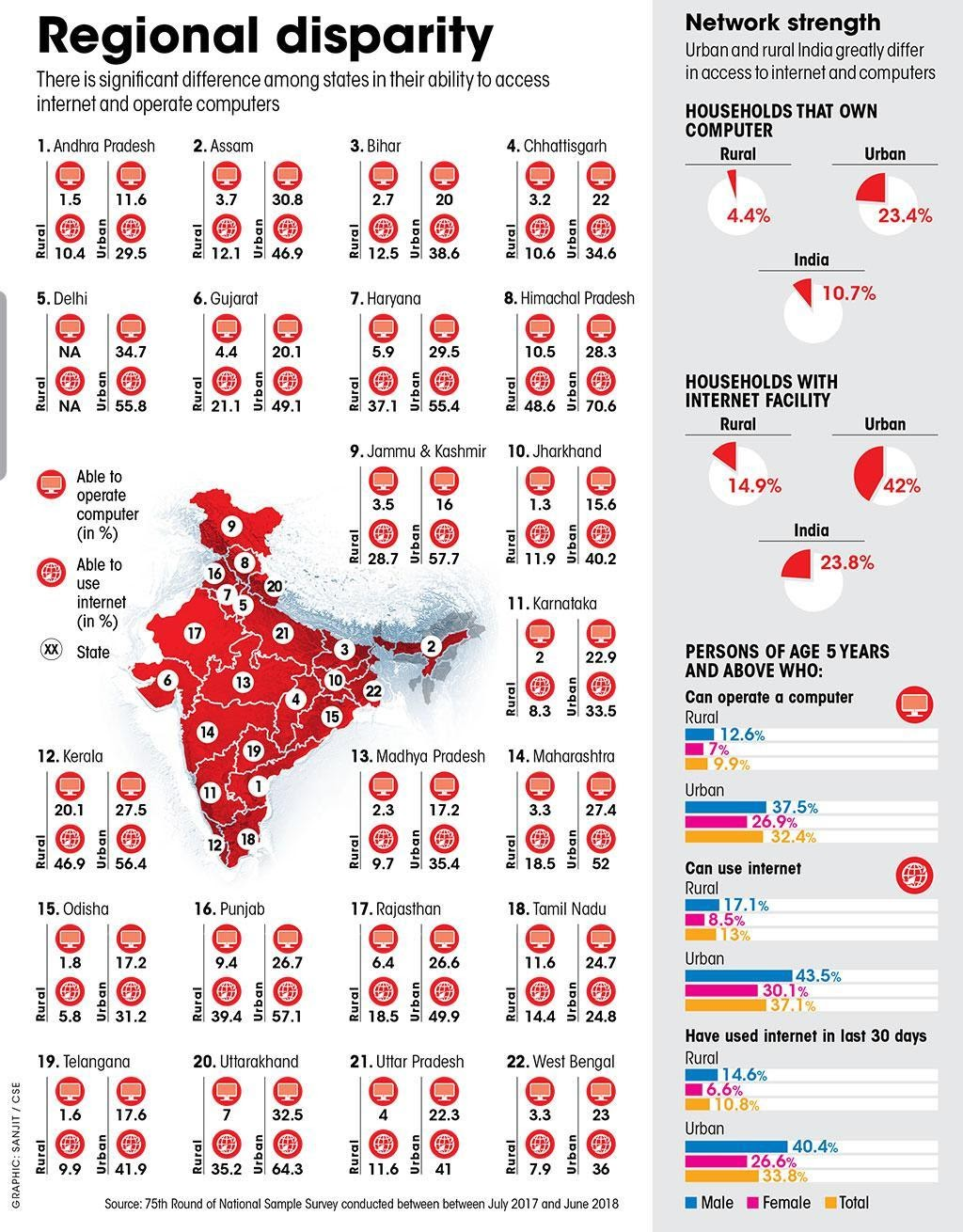
3️⃣ Digital Divide
-
Inequality restricts access to:
-
Internet
-
Digital devices
-
Online learning platforms
-
4️⃣ Regional & Social Disparities
-
Rural vs urban gap
-
Gender, caste, and tribal inequalities
How Education Influences Economic Growth
1️⃣ Human Capital Formation
Education improves:
-
Productivity
-
Innovation
-
Skill adaptability
2️⃣ Demographic Dividend Utilisation
Without quality education, India’s youth population risks becoming a demographic burden.
3️⃣ Technological Adoption
Educated workers adopt and develop new technologies faster.
4️⃣ Inclusive Growth
Education enables upward mobility, reducing income inequality.
When Inequality Hampers Growth

-
High inequality reduces aggregate demand
-
Limits social mobility
-
Increases unemployment and informal employment
-
Creates social unrest, affecting investment climate
Empirical studies (World Bank, IMF) show that countries with lower inequality grow faster and more sustainably.
India’s Context
-
India has made progress in enrolment, but learning outcomes remain uneven
-
ASER reports highlight gaps in foundational literacy and numeracy
-
Urban-private vs rural-government school divide persists
-
Skill mismatch between education and labour market needs
Policy Measures to Strengthen the Nexus 1️⃣ Education-Centric Interventions
-
NEP 2020: Focus on foundational learning
-
Samagra Shiksha Abhiyan
-
Digital initiatives like DIKSHA
2️⃣ Reducing Inequality
-
Scholarships and DBT
-
Mid-Day Meal Scheme
-
Reservation policies
3️⃣ Skill Development
-
PM Kaushal Vikas Yojana
-
Apprenticeship reforms
-
Industry-academia collaboration
4️⃣ Fiscal & Social Policies
-
Progressive taxation
-
Increased public spending on education (target: 6% of GDP)
Way Forward
-
Shift focus from access to quality
-
Invest in early childhood education
-
Bridge digital and regional divides
-
Align education with future skills
-
Monitor learning outcomes rigorously
UPSC Relevance
Prelims
-
Human capital
-
Learning outcomes
-
Education indicators
Mains
-
GS-1: Social inequality & mobility
-
GS-3: Growth, employment, human capital
Essay
-
Education as a tool for inclusive growth
-
Inequality and development