
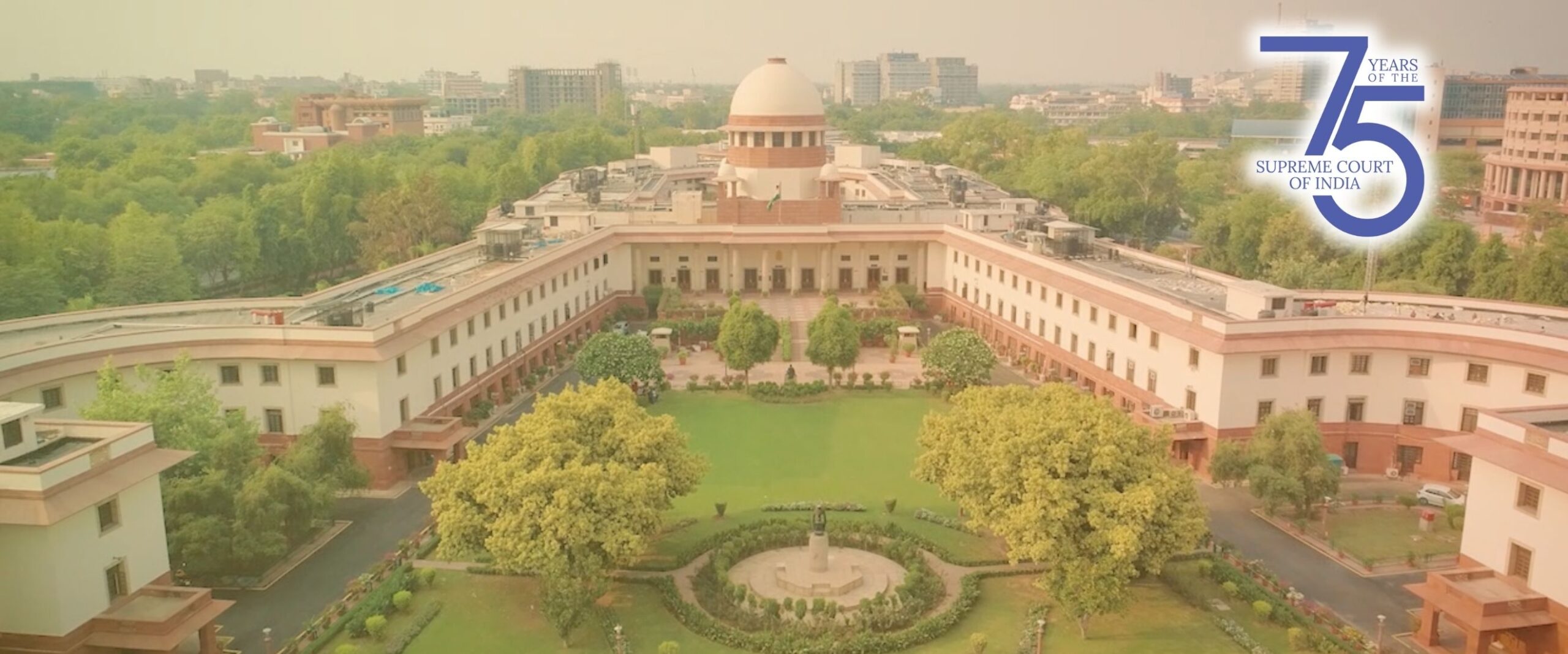
The Supreme Court of India has recently expressed strong concern over the government’s inaction on custodial torture, a persistent issue affecting human rights, police reforms, and criminal justice administration in India. This case has major implications for UPSC GS-II (Governance, Polity, Judiciary) and GS-III (Internal Security).
📌 What Triggered the Supreme Court’s Concern?
The Supreme Court was responding to petitions highlighting:
-
Increasing cases of custodial deaths, police brutality, and torture
-
Government’s lack of progress on implementing reforms
-
India’s pending commitment to international conventions such as the UN Convention Against Torture (UNCAT)
The Court questioned why the government had not enacted a standalone anti-torture legislation, despite repeated recommendations.
📍 Key Issues Highlighted by the Supreme Court
1️⃣ Rising Custodial Torture & Deaths
-
Custodial torture continues to be reported across states.
-
NHRC and NCRB data frequently underline a pattern of systemic abuse.
2️⃣ No National Anti-Torture Law
-
India has not implemented an exclusive anti-torture law.
-
The 2010 Prevention of Torture Bill lapsed without being passed.
3️⃣ Delayed Police Reforms
The Court questioned:
-
Why recommendations of the Prakash Singh vs Union of India (2006) judgment haven’t been fully implemented
-
Why political interference and lack of police accountability continue
4️⃣ Inadequate Mechanisms for Accountability
-
Lack of independent complaints authority
-
Weak implementation of Section 176(1A) CrPC (mandatory judicial inquiry in custodial deaths)
🔍 Constitutional & Legal Significance
✔ Article 21: Right to Life
Custodial torture violates Article 21, a fundamental right guaranteeing dignity and life.
✔ Supreme Court’s Role
The Court cited previous landmark cases:
-
D.K. Basu vs State of West Bengal (1997) – Guidelines on arrest & detention
-
Prakash Singh Case (2006) – Framework for police reforms
-
Nilabati Behera Case (1993) – Compensation for custodial death
The recent intervention reinforces the Court’s role as the protector of fundamental rights.
🧭 What the Supreme Court Asked the Government

The Court has asked the government to respond on:
-
Why India has not enacted a comprehensive anti-torture law
-
Steps taken to reduce custodial torture in police stations
-
Implementation status of police reforms mandated in 2006
-
Measures to ensure transparency in arrests, interrogations, and investigations
📈 Why Is This Important for UPSC?
For Prelims
-
Supreme Court cases: D.K Basu, Prakash Singh
-
NHRC role & jurisdiction
-
NCRB data relevance
-
Constitutional rights (Article 21, 22)
For Mains (GS-II & GS-III)
-
Custodial violence as a governance failure
-
Need for criminal justice reforms
-
Police modernization & accountability
-
Human rights obligations and UN treaties
📝 Exam-Ready Summary
-
Supreme Court has questioned the government over inaction on custodial torture.
-
Highlights the absence of anti-torture law, pending UNCAT ratification, and poor police reforms implementation.
-
SC cites the violation of Article 21 and reminds government of D.K. Basu and Prakash Singh guidelines.
-
Topic is crucial for UPSC GS-II (Judiciary + Governance) and GS-III (Internal Security + Human Rights).