
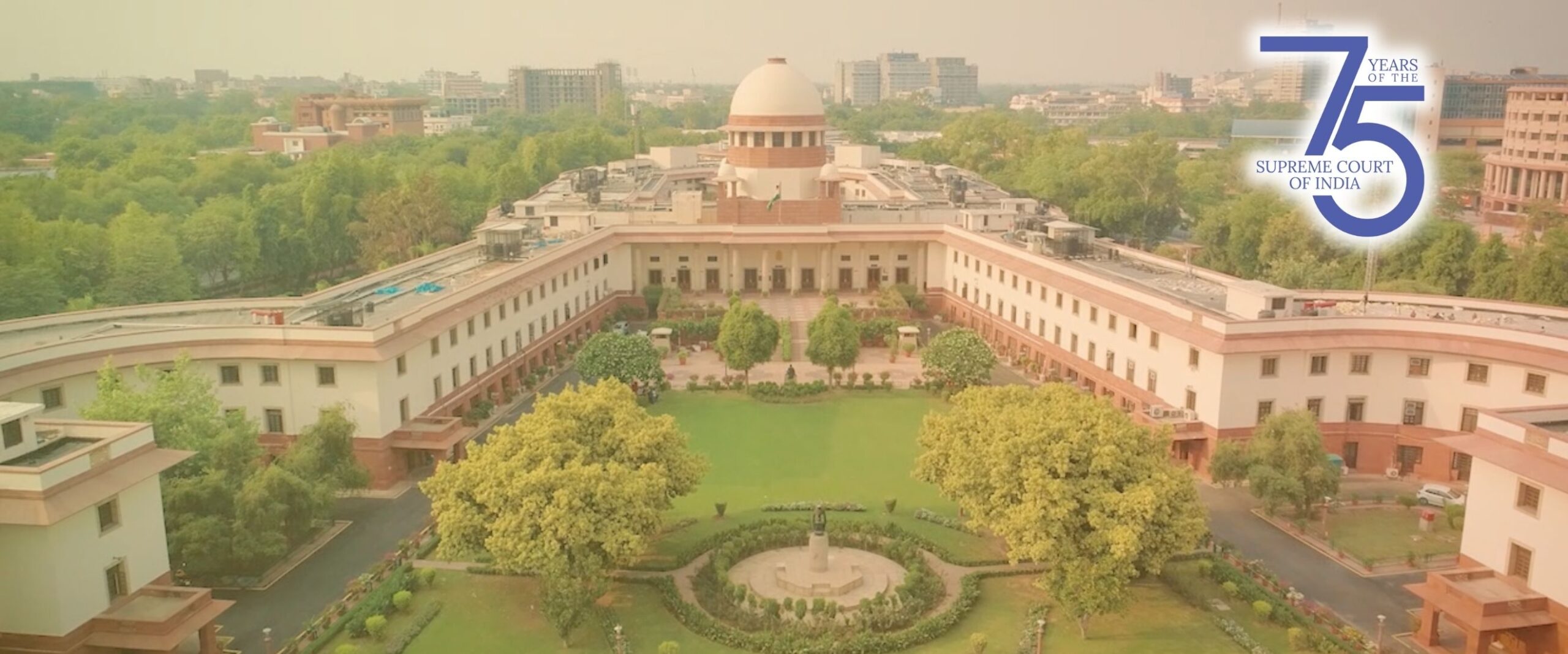
The Supreme Court of India has raised serious concerns over the government’s lack of concrete action to curb custodial torture, a chronic issue in India’s criminal justice system. This intervention highlights the urgent need for police reforms, accountability, and a dedicated anti-torture law in the country.
This topic is extremely important for UPSC Prelims, Mains (GS-2 & GS-3), Judiciary Exams, and State PCS exams.
📌 Why Did the Supreme Court Intervene?
The Court was responding to petitions alleging:
-
Increasing instances of custodial torture and custodial deaths
-
Lack of a strong legal framework to prevent torture
-
Non-implementation of past judicial guidelines
-
Failure to establish independent oversight mechanisms
The Supreme Court questioned the government on why no major steps have been taken despite repeated directions.
📍 What Exactly Did the Supreme Court Ask the Government?
The Court has sought an explanation on:
1️⃣ Why India Still Lacks an Anti-Torture Law
-
The Prevention of Torture Bill (2010) lapsed
-
India has not enacted a fresh standalone law despite UNCAT commitments
2️⃣ Status of Police Reforms
The Court pointed out that:
-
Recommendations of the Prakash Singh (2006) police reforms judgment remain poorly implemented
-
Political interference in policing persists
-
Accountability mechanisms are weak
3️⃣ Measures Taken to Prevent Custodial Violence
The Court demanded details on:
-
Installation of CCTV cameras
-
Judicial inquiries under Section 176(1A) CrPC
-
Police training and sensitization
-
Strengthening forensic and interrogation protocols
📊 The Custodial Torture Problem in India
According to NCRB data:
-
Custodial deaths remain reported every year
-
Conviction rates in such cases remain extremely low
-
Most victims are from weaker socio-economic backgrounds
This reflects:
-
Systemic gaps
-
Misuse of authority
-
Lack of modern investigative techniques
⚖️ Key Legal & Constitutional Provisions
✔ Article 21 – Right to Life & Dignity
Custodial torture violates this fundamental right.
✔ Article 22 – Arrest Procedure Safeguards
Ensures rights of detainees.
✔ D.K. Basu Guidelines (1997)
Laid down mandatory guidelines on arrest, detention, and interrogation.
✔ Prakash Singh Case (2006)
Supreme Court ordered structural police reforms including:
-
State Security Commission
-
Independent Complaints Authority
-
Fixed tenure for DGP and officers
✔ International Law
India has signed but not ratified the UN Convention Against Torture (UNCAT).
🔎 Why the Court’s Observation Matters
1️⃣ Indicates Systemic Failure
The Supreme Court’s remarks highlight the weakness in India’s law enforcement and justice system.
2️⃣ Pushes Government Toward Reforms
May accelerate:
-
Anti-torture legislation
-
Police modernization
-
Oversight mechanisms
3️⃣ Protects Human Rights
Custodial torture directly challenges India’s image as a democratic, rights-based nation.
🧭 Importance for UPSC & Other Exams
For Prelims
-
Articles 21 & 22
-
D.K. Basu guidelines
-
Prakash Singh reforms
-
NHRC powers and role
-
NCRB custodial death data
For Mains
GS-2:
-
Judiciary’s role in rights protection
-
Police reforms & accountability
-
Human rights violations
GS-3:
-
Internal security
-
Criminal justice reforms
-
Ethical governance
📝 Exam-Ready Summary
-
Supreme Court asked the government why no strong action has been taken against rising custodial torture.
-
India still lacks a standalone anti-torture law.
-
Court emphasized implementing police reforms, CCTV installation, and compliance with D.K. Basu and Prakash Singh guidelines.
-
Issue linked to Articles 21 & 22, human rights, and India’s commitment to UNCAT.
-
Highly important for UPSC Polity, Governance & Internal Security sections.