
Maternal Mortality Rate (MMR) is one of the most sensitive indicators of a country’s healthcare system, gender equity, and socio-economic development. While India has made notable progress in reducing maternal deaths over the past decades, recent data highlights persistent regional disparities and systemic gaps that must be addressed to achieve global targets.
What Is Maternal Mortality Rate (MMR)?
MMR is defined as:
The number of maternal deaths per 100,000 live births during a given time period.
According to the World Health Organization, maternal death refers to the death of a woman during pregnancy, childbirth, or within 42 days of termination of pregnancy, from causes related to or aggravated by pregnancy or its management.
India’s MMR: Current Status
India has witnessed a steady decline in MMR, reflecting improvements in: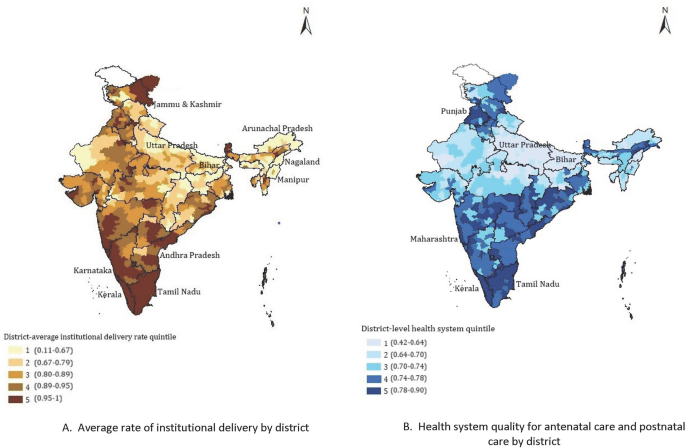
-
Institutional deliveries
-
Antenatal and postnatal care
-
Emergency obstetric services
However, India still faces challenges in meeting the Sustainable Development Goal (SDG) target of reducing MMR to below 70 per 100,000 live births.
Progress remains uneven across states, with some regions performing significantly better than others.
Key Causes of Maternal Mortality
Major causes of maternal deaths include:
-
Post-partum haemorrhage
-
Hypertensive disorders of pregnancy
-
Sepsis and infections
-
Unsafe abortions
-
Anaemia and malnutrition
Most of these causes are preventable with timely and quality medical care.
Structural and Systemic Challenges
Despite policy initiatives, several bottlenecks persist:
-
Unequal Access to Healthcare
Rural and remote areas face shortages of skilled health professionals -
Quality of Care Gaps
Institutional delivery alone does not guarantee safe outcomes -
Socio-Economic Barriers
Poverty, early marriage, and low female literacy increase risks -
Weak Referral Systems
Delays in reaching appropriate care remain a major contributor
These challenges underline that maternal mortality is not just a medical issue but a governance and equity issue.
Government Initiatives to Reduce MMR
India has implemented several targeted programmes:
-
Janani Suraksha Yojana (JSY)
-
Janani Shishu Suraksha Karyakram (JSSK)
-
Pradhan Mantri Surakshit Matritva Abhiyan (PMSMA)
-
Strengthening of Health & Wellness Centres
These schemes focus on financial protection, skilled care, and early detection of risks.
Why Reducing MMR Matters
Lower maternal mortality leads to:
-
Improved child survival and nutrition
-
Stronger families and communities
-
Enhanced women’s participation in society
-
Progress towards inclusive and sustainable development
MMR reduction is thus central to human capital development.
Way Forward
To accelerate progress, India must:
-
Strengthen primary and referral healthcare systems
-
Improve quality of obstetric and neonatal care
-
Address anaemia and nutrition among women
-
Enhance data monitoring and accountability
-
Focus on high-burden districts with targeted interventions
A rights-based and life-cycle approach to women’s health is essential.
Relevance for UPSC & State PCS Aspirants
This topic is important for:
-
GS Paper II (Health, Women & Children)
-
GS Paper III (Human Development)
-
Essay (Women Empowerment & Health)
-
Interview questions on social indicators
Key answer themes:
-
Health equity
-
SDGs and India’s performance
-
Role of governance in health outcomes
Conclusion
Maternal Mortality Rate remains a critical mirror of India’s health system and social development. While progress is undeniable, achieving further reductions will require quality healthcare, social empowerment of women, and effective governance.
Ensuring that no woman dies while giving life is not just a health goal—it is a moral and developmental imperative.