
India’s export sector has shown resilience amid global headwinds, but persistent non-tariff bottlenecks are constraining its full potential. Recently, several Indian states and industry bodies have raised concerns about testing infrastructure gaps and faculty shortages in export-related skill development, arguing that these structural issues are undermining quality compliance, certification timelines, and export competitiveness.
Why Export Bottlenecks Matter
Export performance is a key driver of growth, foreign exchange earnings, and employment in India. While tariff barriers have been reduced through trade agreements, non-tariff issues — especially around standards, testing, and skills — are increasingly cited as binding constraints.
Bottlenecks in testing and certification affect: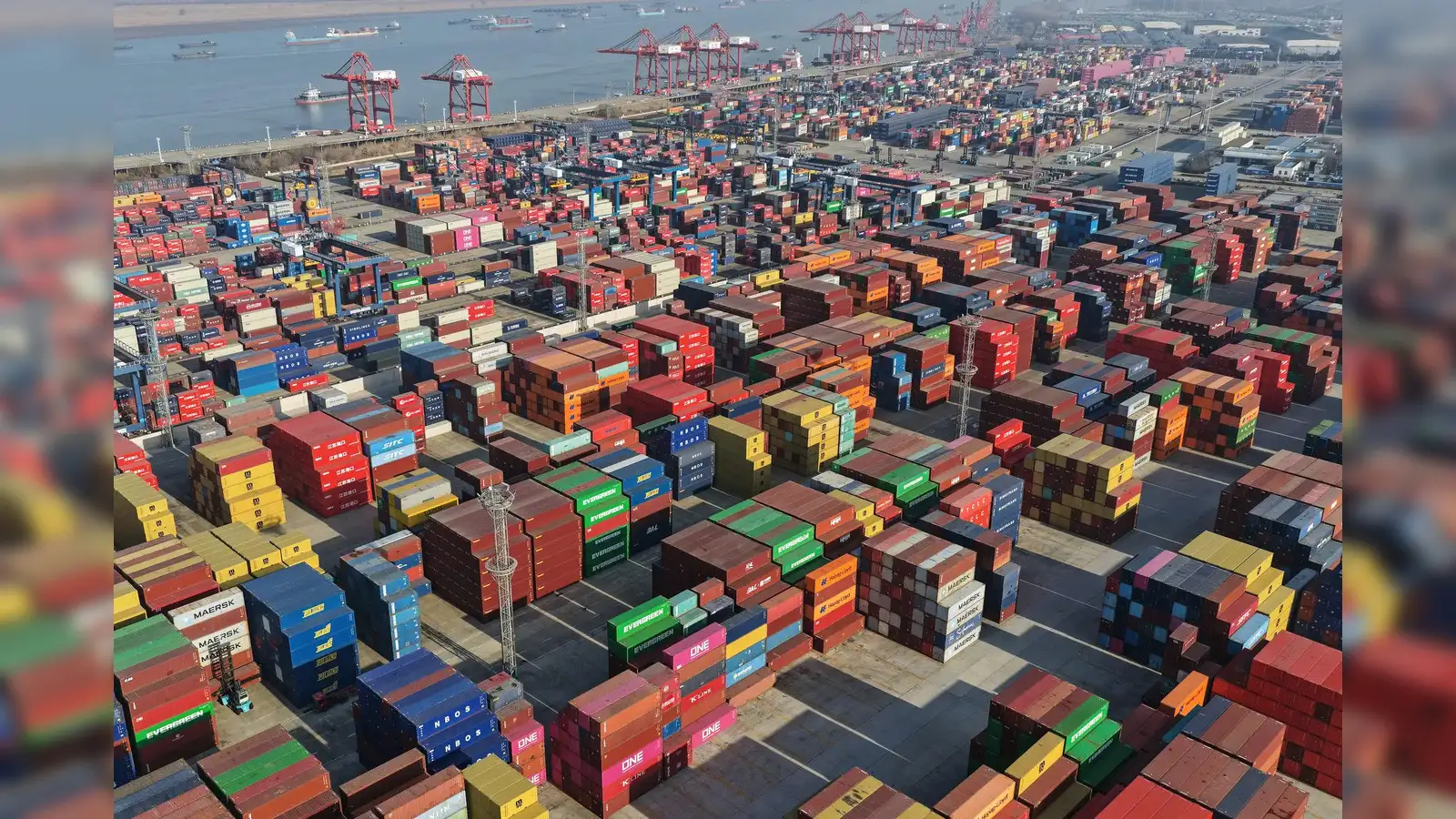
-
Timely export clearances
-
Product acceptance in regulated markets (EU, US, GCC)
-
Compliance with global standards such as ISO, CE, FDA
-
Cost of quality assurance for MSMEs
These gaps often translate into delays, rejection at ports, and increased costs, weakening Indian exporters’ global competitiveness.
Testing Infrastructure: A Major Constraint
Industry forums and state governments report that:
-
Accredited testing labs are few and unevenly distributed
-
Rigidity in approvals leads to long queues and waiting periods
-
Local labs lack advanced equipment needed for compliance with stringent foreign standards
-
Exporters are forced to use expensive private labs or foreign certification bodies
Quality testing is essential for agriculture, textiles, pharmaceuticals, electronics, automotive parts, and engineering goods — sectors that constitute large shares of India’s export basket.
Without efficient testing infrastructure, exporters struggle to meet destination market requirements on:
-
Contaminants and residues
-
Mechanical and safety standards
-
Technical specifications and documentation
This is especially acute in perishable goods, chemicals, and high-precision manufacturing.
Faculty Shortage in Export-Related Skill Ecosystem
Linked to testing gaps is a shortage of trained faculty and technicians who can:
-
Operate and maintain advanced testing equipment
-
Interpret global standards for compliance
-
Train export firms on quality protocols
States and industry associations have pointed out that export-related courses at technical institutes, universities, and government training centres rarely have specialised faculty with hands-on experience in global quality systems.
This leads to:
-
Mismatch between industry needs and training outcomes
-
Low awareness of regulatory frameworks among exporters
-
Reduced adoption of quality best practices
Addressing the faculty deficit is seen as a long-term enabler of export competitiveness.
State Governments’ Concerns and Recommendations
Several state export promotion councils have formally recommended:
-
Expansion of NABL-accredited testing laboratories across regions
-
Public investment in advanced testing equipment for strategic sectors
-
Incentivising private labs through PPP models
-
Partnerships with foreign certification bodies for knowledge transfer
-
Dedicated export compliance faculty development programmes
-
Integration of quality testing modules into skill development schemes
States with strong manufacturing bases, such as Gujarat, Tamil Nadu, and Maharashtra, have emphasised that networked testing infrastructure is as critical as logistics and duty incentives.
Policy Responses and Institutional Roles
Key policy levers to address the bottlenecks include:
1. Strengthening Export Testing Network
-
Expand the reach of Export Inspection Council (EIC) laboratories
-
Fast-track accreditation of state-run and private labs
-
Promote cluster-based testing hubs for MSMEs
2. Skill and Faculty Development
-
Collaborate with National Skill Development Corporation (NSDC) and industry bodies
-
Create specialised certification programmes for export quality compliance
-
Incentivise deployment of expert faculty in institutes
3. Standards and Quality Support
-
Extend support from Bureau of Indian Standards (BIS) for international standard alignment
-
Enhance digital certification and single-window compliance platforms
4. State-Centre Coordination
-
Leverage State Export Promotion Committees to align infrastructure development with export clusters
-
Use state policy levers (land, power, education) to strengthen quality ecosystems
Relevance for UPSC & State PCS Aspirants
This topic is significant for:
-
GS Paper III (Economy & Infrastructure)
-
Essay (Trade Competitiveness & Structural Reform)
-
Interview discussions on manufacturing and exports
Key angles for answers:
-
Non-tariff export barriers
-
Quality standards and testing regimes
-
Skill development and faculty shortages
Conclusion
Addressing export bottlenecks requires a holistic approach — expanding testing infrastructure, nurturing skilled faculty, and aligning quality systems with global norms. As India seeks to boost exports under initiatives like India’s G20 export agenda and Production Linked Incentive (PLI) schemes, solving these structural constraints will be crucial for sustaining growth and deepening integration with global value chains.
Reforms in testing and faculty development are not just operational improvements — they are strategic enablers of export competitiveness in the 21st-century global economy.