
Exercise Vajra Prahar 2026 is the latest edition of the joint Special Forces exercise conducted between the Indian Army and the United States Army. The exercise represents deepening defence cooperation between India and the United States, with a particular focus on counter-terrorism operations, interoperability, and high-intensity special operations training.
For civil services aspirants at Vashishth IAS Academy, this topic is significant for GS Paper II (International Relations) and GS Paper III (Security).
What is Exercise Vajra Prahar?
Exercise Vajra Prahar is a bilateral military exercise between: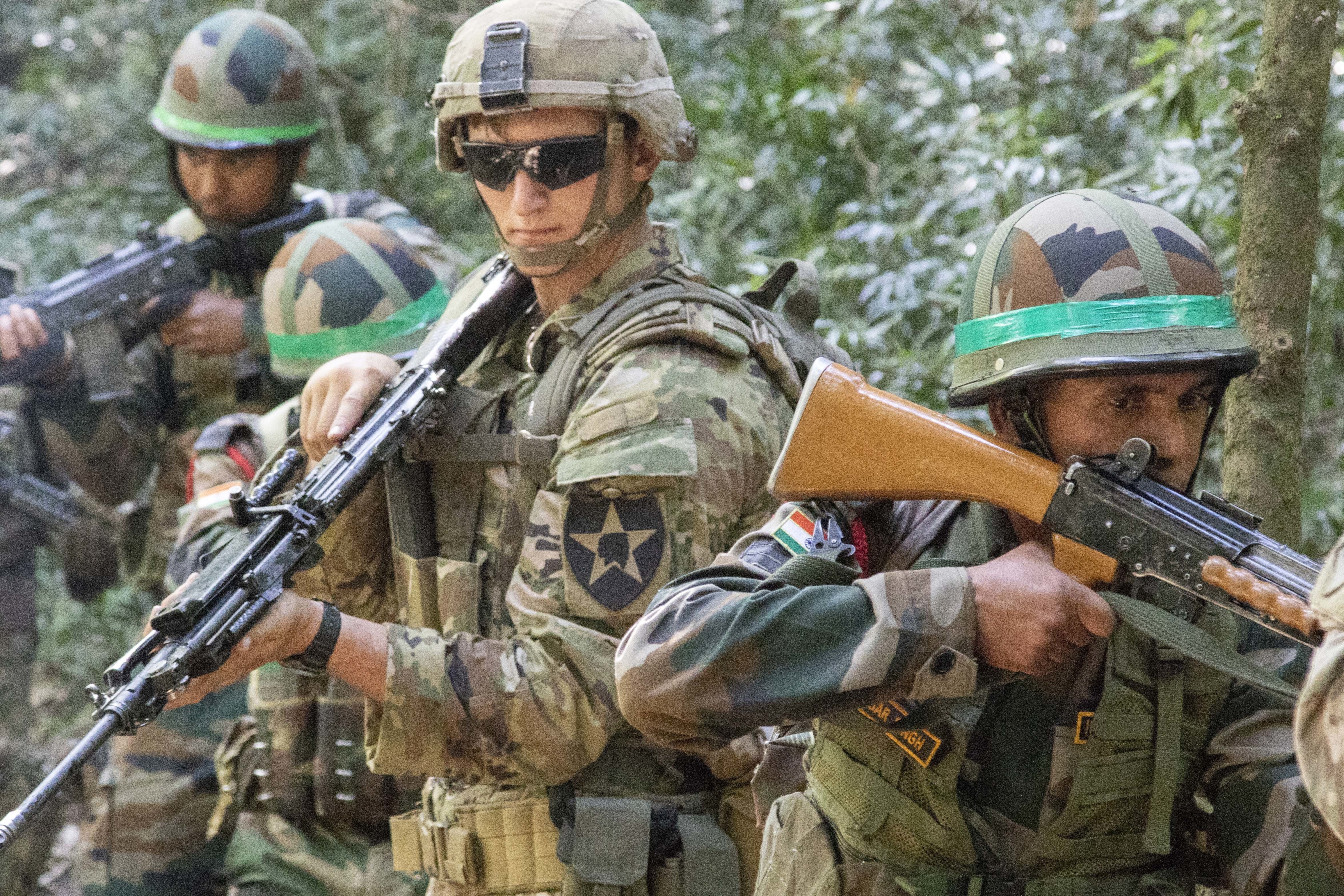
-
The Indian Army’s Special Forces
-
The U.S. Army Special Forces (Green Berets)
It is conducted annually, alternating between India and the United States.
The primary objective is:
-
Enhancing interoperability
-
Sharing tactical expertise
-
Improving coordination in counter-terrorism operations
Key Objectives of Vajra Prahar 2026
-
Counter-Terrorism Operations
Focus on joint planning and execution of operations in complex environments. -
Joint Special Operations Training
Includes urban warfare, close-quarter battle (CQB), hostage rescue, and intelligence-based operations. -
Interoperability Enhancement
Standardizing communication systems, combat drills, and tactical coordination. -
Exchange of Best Practices
Learning from each other’s operational experiences in different terrains and conflict scenarios.
Strategic Significance
1️⃣ Strengthening India–US Defence Ties
The exercise reflects growing defence cooperation under frameworks such as:
-
COMCASA
-
LEMOA
-
BECA
These agreements enhance logistics sharing, communication security, and geospatial cooperation.
2️⃣ Indo-Pacific Strategy
The growing frequency and depth of joint exercises align with the broader Indo-Pacific strategic framework, aimed at maintaining regional stability, ensuring freedom of navigation, and countering emerging security challenges.
3️⃣ Counter-Terrorism Cooperation
With rising asymmetric threats, collaboration between elite forces improves:
-
Intelligence sharing
-
Tactical synchronization
-
Rapid response capabilities
Military Diplomacy and Soft Power
Joint exercises such as Vajra Prahar serve as instruments of:
-
Defence diplomacy
-
Strategic signaling
-
Confidence building
They demonstrate India’s commitment to global security partnerships while maintaining strategic autonomy.
Comparison with Other India–US Exercises
| Exercise | Forces Involved | Focus Area |
|---|---|---|
| Yudh Abhyas | Army | Conventional warfare & joint drills |
| Malabar | Navy | Maritime security |
| Cope India | Air Force | Air combat training |
| Vajra Prahar | Special Forces | Counter-terrorism & special ops |
Challenges and Concerns
-
Balancing strategic autonomy with growing US defence engagement
-
Managing regional sensitivities (particularly China)
-
Ensuring technology safeguards
Conclusion
Exercise Vajra Prahar 2026 symbolizes a mature and evolving India–US defence partnership. It enhances operational readiness, builds trust between elite forces, and strengthens India’s capability to address complex security threats.
For UPSC aspirants, this topic is relevant from the perspective of:
-
India–US bilateral relations
-
Counter-terrorism strategy
-
Defence modernization
-
Indo-Pacific geopolitics